How to Use It
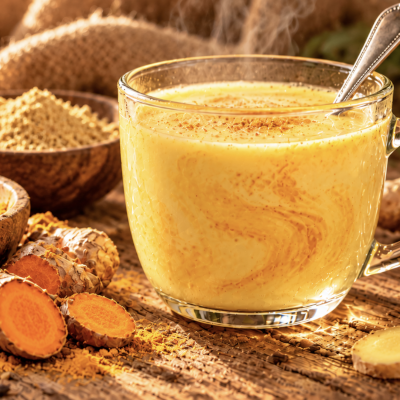
Many people cook with turmeric, but you can also put it in smoothies, yogurt, cream cheeses, butters, and dipping oil.
Why It’s Better
Ground turmeric is a useful and versatile culinary spice with modest health upside.
Turmeric contains curcuminoids, especially curcumin, which have antioxidant and anti-inflammatory activity in lab and clinical research. It has been studied for conditions such as arthritis, digestive disorders, respiratory infections, allergies, liver disease, depression, and others, but the evidence is still mixed and not strong enough to treat disease on its own. NIH NCCIH: Turmeric
For everyday cooking, turmeric’s most useful dietary benefits are flavor, color, and its role as a low-calorie seasoning. It works well in curries, soups, lentils, rice, eggs, roasted vegetables, pickles, spice blends, marinades, and teas.
| Benefit |
Practical meaning |
| Anti-inflammatory potential |
May support an overall anti-inflammatory dietary pattern |
| Antioxidant compounds |
Adds plant polyphenols, though in small amounts per serving |
| Flavor and color |
Earthy, bitter, peppery warmth with strong yellow-orange color |
| Low-calorie seasoning |
Adds flavor without sugar, sodium, or fat |
| Food pairing value |
Works well with vegetables, legumes, grains, eggs, fish, poultry, and warm drinks |
A major limit is bioavailability: curcumin is not absorbed well by the body on its own. Combining turmeric with black pepper and some fat can improve absorption, but concentrated supplements that increase absorption may also increase the risk of side effects. NIH NCCIH: Turmeric
Ground turmeric usually contains only a relatively small percentage of curcumin, so normal culinary use is unlikely to produce the same effects seen in high-dose supplement trials. This is one reason turmeric is better viewed as a supportive food ingredient rather than a stand-alone therapeutic substance. NIH NCCIH: Turmeric
For most healthy adults, culinary amounts of turmeric are generally considered safe. A practical food-use range is about ¼ to 1 teaspoon per day, depending on taste and tolerance. Higher intakes may cause digestive side effects such as nausea, reflux, stomach upset, diarrhea, or constipation. NIH NCCIH: Turmeric
Use more caution with turmeric or curcumin supplements, especially “high absorption” products. The European Food Safety Authority has used an acceptable daily intake for curcumin of 3 mg per kilogram of body weight per day, a level that is much easier to exceed with supplements than with ordinary cooking. German Federal Institute for Risk Assessment: Curcumin in Food Supplements
People taking blood thinners such as warfarin, people with bleeding risk, those preparing for surgery, and people with gallbladder disease, significant reflux, kidney stone risk, liver disease, or pregnancy should be especially careful with medicinal-dose turmeric or curcumin supplements. Memorial Sloan Kettering notes potential concerns around bleeding risk and interactions with blood-thinning medications. Memorial Sloan Kettering: Turmeric
Bottom line: use ground turmeric freely as a culinary spice, especially in savory dishes with black pepper and oil. Do not rely on it to treat inflammation, arthritis, liver problems, cancer, diabetes, or digestive disease. The safest and most useful approach is regular small amounts in food, not concentrated high-dose supplements.