
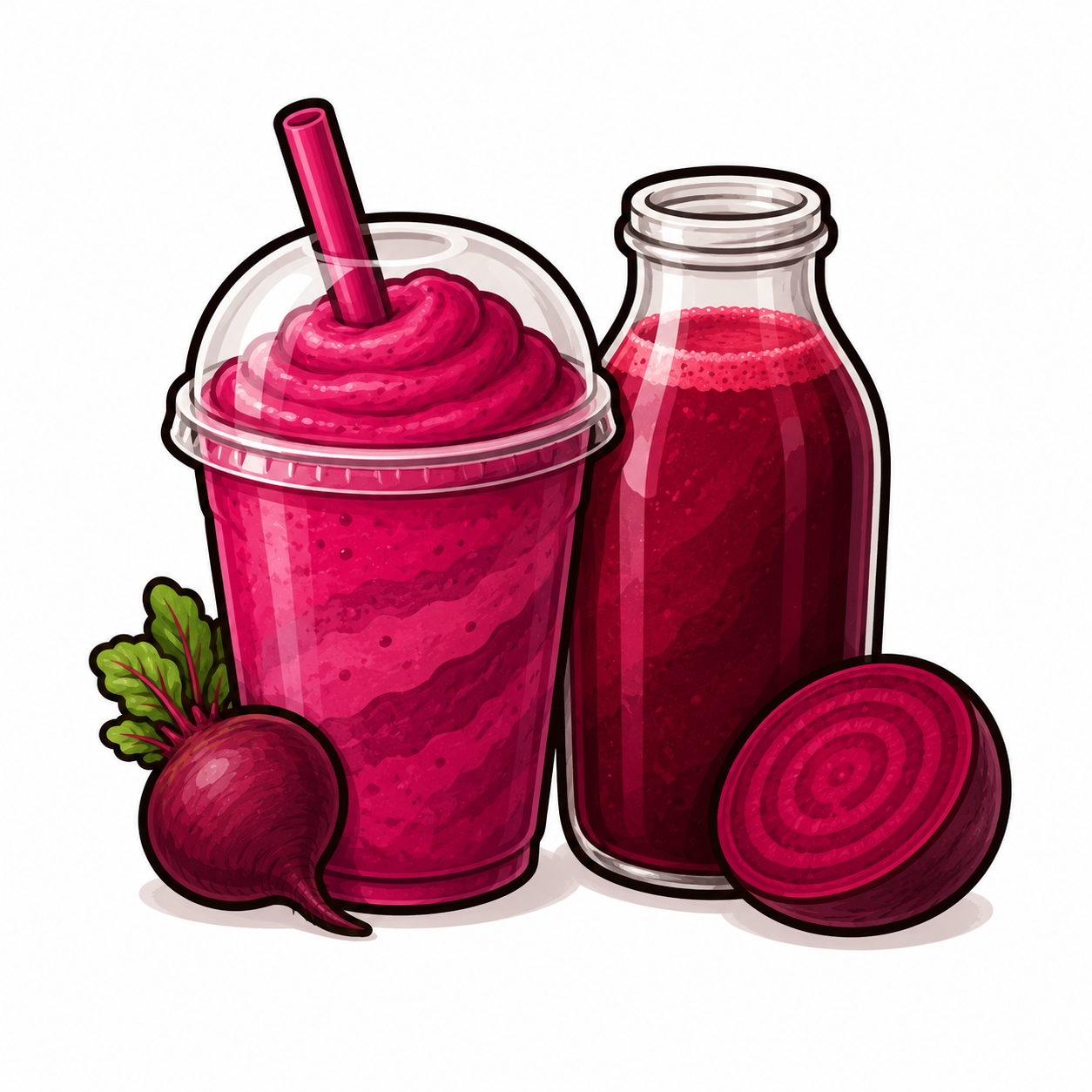
Dehydrated beet powder is among the most versatile vegetable powders available for both consumers and food manufacturers. It combines concentrated minerals, dietary nitrates, antioxidants, fiber, and vibrant natural pigments in a shelf-stable ingredient that enhances both the nutritional value and visual appeal of foods. Its dual role as a functional ingredient and natural colorant makes it particularly valuable for clean-label products, sports nutrition, bakery applications, spice blends, beverages, and vegetable-based food innovations.
Nutritional Overview
Removing water from fresh beets concentrates many of their naturally occurring nutrients, including:
- Dietary fiber
- Potassium
- Folate (Vitamin B9)
- Magnesium
- Iron
- Copper
- Manganese
- Phosphorus
- Calcium (modest amounts)
- Polyphenols
- Flavonoids
- Betalain pigments
- Naturally occurring dietary nitrates
While some heat-sensitive nutrients such as Vitamin C decline during dehydration, most minerals remain stable because they are not destroyed by heat. [1]
Health Benefits
1. Supports Cardiovascular Health
Beets are naturally rich in inorganic nitrates. After consumption, these nitrates are converted by oral bacteria and the body into nitric oxide, an important signaling molecule that relaxes blood vessels.
Potential cardiovascular benefits include:
- Lower blood pressure
- Improved circulation
- Better endothelial function
- Improved vascular elasticity
- Enhanced oxygen delivery throughout the body
These cardiovascular benefits are among the most extensively researched effects of beet consumption.[4]
2. Improves Exercise Performance
Beet powder has become one of the most studied natural sports nutrition supplements.
Dietary nitrates may:
- Improve endurance
- Increase exercise efficiency
- Reduce oxygen cost during exercise
- Delay fatigue
- Improve recovery between high-intensity efforts
Many endurance athletes consume beet powder approximately 2–3 hours before exercise to maximize nitric oxide production.[4]
3. Rich Source of Antioxidants
Beets contain unique antioxidant compounds known as betalains, primarily:
- Betanin
- Isobetanin
- Vulgaxanthin
These compounds help neutralize free radicals and reduce oxidative stress.
Potential long-term benefits include:
- Cellular protection
- Healthy aging
- Reduced oxidative damage
- Exercise recovery support[6]
4. Anti-inflammatory Activity
Betalains have demonstrated anti-inflammatory properties in laboratory studies and limited human research.
Potential benefits include:
- Reduced inflammatory markers
- Improved recovery after exercise
- General support for inflammatory balance
Although promising, additional human clinical research is still needed.[6]
5. Supports Brain Function
Improved nitric oxide production may enhance cerebral blood flow.
Researchers have investigated beet consumption for possible improvements in:
- Cognitive performance
- Mental alertness
- Executive function
- Healthy brain aging
Current evidence is encouraging but remains an active area of research.[8]
6. Digestive Health
Because dehydration preserves much of the dietary fiber found in fresh beets, beet powder may help:
- Promote digestive regularity
- Increase satiety
- Feed beneficial gut bacteria
- Support healthy bowel function[1]
7. Liver Support
Animal studies and preliminary human research suggest beet phytochemicals may support normal liver function through antioxidant mechanisms.
While beet powder should not be considered a treatment for liver disease, it may contribute to overall dietary patterns associated with liver health.[6]
Mineralization Benefits
One of the greatest strengths of beet powder is its concentrated mineral content.
| Mineral | Primary Functions |
|---|---|
| Potassium | Fluid balance, muscle contraction, nerve signaling |
| Magnesium | Enzyme function, muscle relaxation, energy production |
| Iron | Oxygen transport and red blood cell production |
| Copper | Connective tissue formation, iron metabolism |
| Manganese | Bone formation, antioxidant enzymes |
| Phosphorus | Energy metabolism, bone health |
| Calcium | Bone and muscle function |
Since dehydration removes water while retaining minerals, each tablespoon of beet powder provides a much greater mineral density than an equivalent weight of fresh beets.[1]
Folate (Vitamin B9)
Beets are naturally high in folate.
Folate contributes to:
- DNA synthesis
- Cell division
- Red blood cell formation
- Fetal neural tube development during pregnancy
Although some folate is lost during dehydration, low-temperature drying retains a useful portion of this nutrient.[1]
Natural Food Coloring
Perhaps the most commercially valuable property of beet powder is its vibrant natural pigment.
The primary coloring compound is betanin, an FDA-approved natural color additive derived from beet juice and beet products.
Beet powder produces colors ranging from:
- Bright pink
- Ruby red
- Crimson
- Burgundy
- Purple-red
Applications as a Natural Colorant
Beet powder can replace synthetic red food dyes in products such as:
- Pasta
- Bread
- Tortillas
- Crackers
- Pancakes
- Waffles
- Yogurt
- Smoothies
- Ice cream
- Popsicles
- Gummies
- Fruit snacks
- Protein powders
- Beverage mixes
- Sauces
- Frostings
- Icings
- Seasoning blends
Its appeal is especially strong in “clean-label” foods, where consumers prefer recognizable ingredients over artificial colorants.
Color Stability
Betanin is influenced by processing conditions.
Most Stable
- Slightly acidic foods
- Low temperatures
- Protection from light
- Minimal oxygen exposure
Less Stable
- High baking temperatures
- Alkaline conditions
- Extended heating
- Prolonged sunlight exposure
Under harsh conditions, beet pigments gradually shift toward brown or dull red colors.
Flavor Characteristics
Unlike many vegetable powders, beet powder contributes both nutrition and flavor.
Typical flavor notes include:
- Mild sweetness
- Earthy undertones
- Gentle vegetable flavor
- Slight mineral finish
Small quantities generally enhance foods without creating an overpowering beet flavor.
Functional Food Ingredient
Beet powder provides multiple functional properties beyond nutrition:
- Natural red coloring
- Increased fiber
- Added minerals
- Antioxidant content
- Natural ingredient labeling
- Shelf-stable vegetable inclusion
For food manufacturers, this allows one ingredient to improve both appearance and nutritional value.
Applications for Dehydrated Food Businesses
Beet powder can be marketed as:
- Pure beet powder
- Smoothie ingredient
- Soup enhancer
- Natural food coloring
- Pasta coloring
- Baking additive
- Vegetable seasoning ingredient
- Yogurt topper
- Functional beverage ingredient
- Children’s vegetable supplement
- Energy bar ingredient
- Natural coloring for fruit leather
- Functional ingredient in crackers and flatbreads
Storage Considerations
Properly packaged beet powder should be:
- Stored in airtight containers
- Protected from moisture
- Protected from oxygen
- Kept away from light
- Stored below approximately 75°F (24°C)
When packaged with appropriate moisture and oxygen barriers, beet powder commonly maintains acceptable quality for 12–24 months, although pigment intensity gradually decreases over time.
Considerations
Although beet powder is nutritious, several considerations apply:
- Naturally high in oxalates, which may be a concern for individuals prone to calcium oxalate kidney stones.
- Can temporarily cause beeturia (red or pink urine) or reddish stools, a harmless effect.
- Natural sugars become concentrated during dehydration, so serving sizes should remain moderate despite the product being a whole-food ingredient.
References
- USDA FoodData Central. Beets, raw and related nutrient databases. https://fdc.nal.usda.gov
- Jones AM. Dietary nitrate supplementation and exercise performance. Sports Medicine. 2014.
- Clifford T, et al. The potential benefits of red beetroot supplementation in health and disease. Nutrients. 2015.
- Presley TD, et al. Acute effect of a high nitrate diet on brain perfusion. Nitric Oxide. 2011.